
There’s something timeless about vintage homes—their intricate details, classic architecture, and undeniable character make them beloved by homeowners and history buffs alike. But while the charm of an old house is hard to beat, it often comes with outdated systems, inefficient layouts, and high maintenance needs. That’s where modern construction techniques come into play. Today, builders and renovators are finding smart ways to preserve the beauty of vintage homes while enhancing them with the performance and comfort of new builds.
Keeping Character While Upgrading the Core
 Preserving the essence of a vintage home doesn’t mean you have to sacrifice comfort or safety. In fact, many homeowners are choosing to restore historical features like original woodwork, stained glass, or exposed brick, while integrating new materials that improve insulation, structural integrity, and energy efficiency. REGIONALIMMOBILIEN24 specialize in finding properties that are perfect for this kind of thoughtful renovation, combining architectural heritage with modern construction solutions. It’s a careful balance of old-world charm and new-world reliability.
Updating Systems Without Losing Soul
One of the biggest challenges in renovating an older home is modernizing the essential systems—plumbing, electrical, heating—without tearing apart the historical fabric of the house. Skilled contractors can now use minimally invasive techniques to run new wiring or HVAC ducting behind original walls or within existing frameworks. Smart home technology, radiant floor heating, and tankless water heaters can all be integrated seamlessly, making these homes just as functional as any modern build while retaining their unique aesthetic.
Energy Efficiency Meets Classic Design
Older homes weren’t built with sustainability in mind, but that doesn’t mean they can’t be made energy-efficient. New insulation materials, double-glazed replica windows, and solar panel integration are all ways to boost performance without compromising appearance. For example, replacing drafty windows with custom-made energy-efficient ones that match the original design lets you preserve the look while improving thermal performance. It’s these kinds of upgrades that allow vintage homes to live comfortably in today’s eco-conscious world.
Blending Modern Layouts With Traditional Architecture
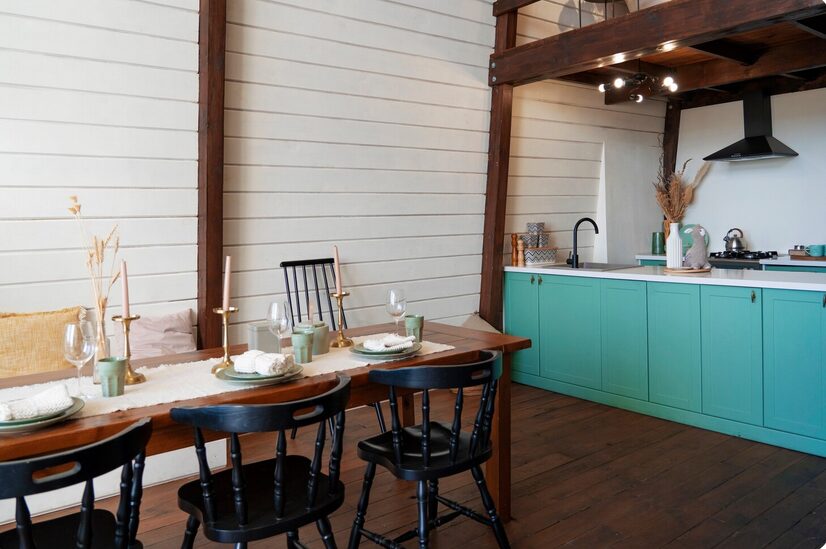
Many vintage homes were built at a time when compartmentalized living was the norm. Small, closed-off rooms were common, and kitchens were often tucked away from living spaces. Today, open-plan living is preferred by many. With thoughtful renovation, it’s possible to open up spaces without erasing historical details. For example, removing a non-structural wall between the kitchen and dining room can improve flow while keeping crown moldings, ceiling medallions, and other vintage features intact. This fusion of layout and style makes a home feel both classic and contemporary.
Using Modern Materials That Mimic the Past
Another way builders blend old and new is by using contemporary materials that replicate traditional ones. Fiber cement siding can mimic the look of wood clapboards, but with better durability. Engineered hardwoods can give the warmth of vintage flooring with added resilience to moisture and wear. These materials allow for easier maintenance and a longer lifespan, all while keeping the home visually aligned with its original character. It’s all about being practical without being obvious.
Blending modern construction techniques with vintage home styles isn’t about choosing one over the other—it’s about respecting the past while building for the future. With the right approach, you can keep all the charm and history you love while enjoying the comfort, safety, and efficiency of modern living. Whether you’re restoring an old family home or purchasing a fixer-upper with potential, bridging the gap between eras is more achievable—and more rewarding—than ever before.